
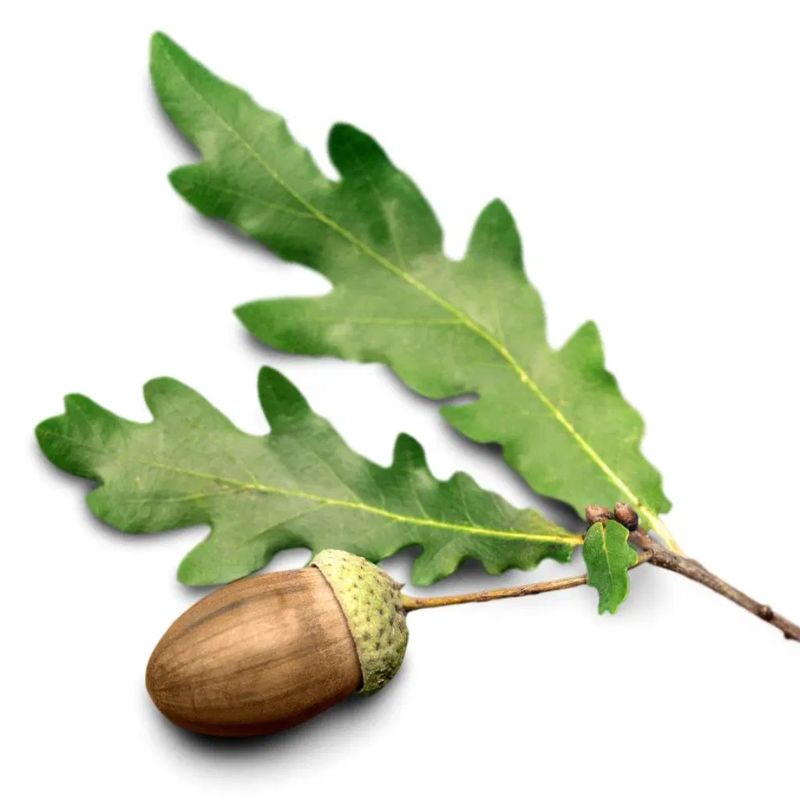
The oak tree, sometimes known as the “mighty oak,” is a symbol of power, endurance, and resilience. Known for its longevity and beautifully imposing size, this is more than simply a tree; it is an important part of the ecosystem here in Hertfordshire, giving habitat and sustenance to a wide range of creatures. In fact, a single adult oak tree may support over 1,600 creatures, making it one of the most biodiverse plants in our forests.
Our blog looks at what makes the Mighty Oak so special. Firstly, it has many ecological benefits! Oak trees have an important role in biodiversity. Oak trees are home to a varied range of species, including:
• Oaks provide food for a variety of insects, including beetles and caterpillars. Many caterpillars feed on oak leaves, which are then eaten by birds and other species.
• Oak trees provide nesting and shelter for a variety of bird species, including woodpeckers, blue jays, and songbirds. Oak trees are also an important food source, providing acorns, which are critical winter food for many birds and mammals.
• Mammals, including squirrels, deer, and foxes, rely on oak trees for food, shelter, and nesting. Acorns produced by oak trees are an important food source for many species during the autumn and winter months.
• Oak trees support many fungi, bacteria, and microbes that aid in nutrient cycling and breakdown in the ecosystem.
Oak trees have long been culturally significant in many communities. Oaks were revered in Celtic mythology as symbols of power, wisdom, and protection and associated with several gods and used in rituals and festivities. Today, oaks are revered in literature, art, and as national symbols, such as the oak tree representing strength in England.
Oaks are well-adapte to environmental changes, making them an important part of resilient ecosystems. Their deep root systems let them to acquire water during droughts. While their vast canopies give shade and help to decrease soil erosion. Oak trees also serve an important role in carbon sequestration, reducing climate change by absorbing carbon dioxide from the atmosphere.
In addition to their ecological and cultural significance, oak trees have economic benefits. Oak wood is prize for its strength and durability. Making it a popular material for furniture, flooring, and barrels for ageing wine and whisky. The lumber sector is reliant on sustainable oak management measures to preserve the health and longevity of oak forests.
We all need to help look after our environment, and we must safeguard and preserve these wonderful Oak trees for future generations. Here are some ways in which we can help:
• Plant more oak trees in your local area. Native oak species provide excellent habitat for local wildlife and contribute to the general health of the ecosystem.
• Support conservation efforts by joining local groups dedicated to saving oak forests and habitats. Volunteering, providing financial assistance, or taking part in awareness campaigns are all options.
• Educate others about the value of oak trees and their role in biodiversity. Raising awareness can help people develop a greater respect for these amazing trees.
The mighty oak is more than just a tree; it is a foundation of our ecosystems. Supporting a diverse range of creatures while delivering various environmental, cultural, and economic benefits. You’d probably be surprise to know that about 1,600 creatures live in or on an old oak tree. It is evident that protecting these magnificent giants is critical for biodiversity and ecological health. So, the next time you see a mighty Oak as you wander through our beautiful county. Take a moment to admire its beauty and the life it sustains—a true tribute to nature’s resilience.
